Florida Foreclosure Laws: What Investors Need to Know
As the brand head at hardmoneylenders.io, I’ve seen firsthand how Florida’s dynamic real estate market creates prime opportunities for savvy investors targeting distressed properties. With foreclosures accelerating in 2026 due to stricter judicial timelines, understanding these laws is crucial for funding flips or acquisitions efficiently.
Florida’s Judicial Foreclosure Basics
Florida operates exclusively as a judicial foreclosure state, requiring lenders to file a lawsuit in court to foreclose on any property, whether residential or commercial. This process begins after a borrower misses payments—typically 120 days overdue under federal rules—triggering a breach letter and loss mitigation attempts like modifications.
Lenders must prove standing by presenting the original note or a lost note affidavit. Borrowers get 20 days to respond to the summons; failure leads to default judgment, but contests extend proceedings. In 2026, new court rules enforce faster deadlines, slashing “slow-walk” delays that once allowed homeowners years in properties.
Key Stages and Timelines
The foreclosure timeline averages 6-12 months but varies by case complexity.
| Phase | Typical Duration | Investor Notes |
| Pre-Foreclosure (Notice/Default) | 30-120 days | Monitor lis pendens filings for early leads; borrowers can reinstate or modify. |
| Summons/Complaint & Discovery | 1-2 months (response) + 1-6 months | Public dockets reveal opportunities; defenses like improper service can prolong. |
| Judgment & Auction | 2-6 months | Sale 20-35 days post-judgment; lender credit bids common. |
| Post-Sale (Title/Eviction) | 10 days objection + 1-3 months | Certificate of title issued quickly; 10-day redemption rare for investors. |
Auctions are public, advertised online or in papers for two weeks prior. Investors should inspect properties pre-bid, as “as-is” sales hide issues like mold or liens.
2026 Updates Accelerating the Market
Recent judicial changes mandate quicker case movement, with judges enforcing deadlines on lenders and defenses—no more endless forbearance delays. Foreclosures are surging as banks push forward, creating more auction inventory but shorter windows for deals. No major statutory shifts like non-judicial options, keeping court oversight intact.
Deficiency judgments remain possible, capped at fair market value minus sale price for owner-occupied homes, with a one-year statute. This pressures borrowers, boosting distressed sales.
Investment Strategies in Foreclosures
Target pre-foreclosure via short sales or deed-in-lieu for clean titles avoiding court risks. At auctions, bid strategically—lenders often credit-bid debt amounts, but third-party wins yield surpluses if overbiddable.
Post-auction, buy winning bids or certificates of title for low-risk flips. Due diligence is key: title search for junior liens (extinguished in foreclosure), contractor walkthroughs for rehabs, and ARV calculations. Florida’s right of redemption ends at certificate of sale filing, minimizing surprises.
Bankruptcy filings trigger automatic stays, pausing sales—track dockets closely.
Risks and Mitigation Tactics
Watch for post-judgment liens or HOA claims, though foreclosures often wipe juniors. Eviction adds 2-4 weeks post-title. Economic factors like tourism slumps in Florida amplify defaults, but competition at auctions demands cash readiness.
Mitigate with legal review of judgments and quick closings on REO properties.
Funding Your Next Deal with Hard Money
At hardmoneylenders.io, we specialize in fast, flexible loans for Florida investors navigating foreclosures, closing in days. Whether auction buys or rehabs, our capital empowers you to act before opportunities vanish in this sped-up 2026 market. Contact us to secure funding tailored for judicial foreclosure plays.
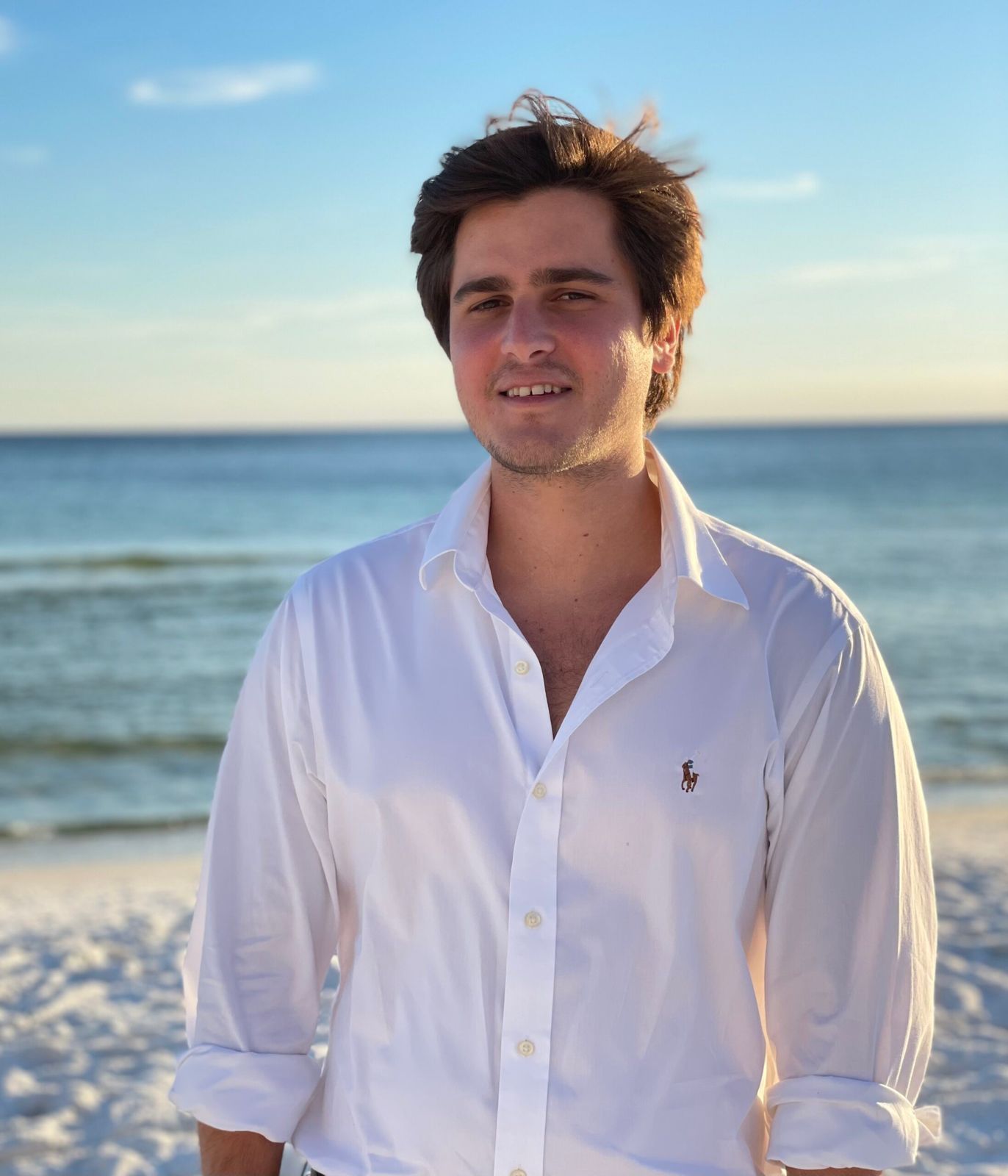
Yuval Elkeslasi is a distinguished professional in the finance industry, celebrated for his pioneering strategies and significant contributions as the leader of Hard Money Lenders IO. Hailing from Queens, New York, Yuval has built an impressive career, transforming the lending landscape through his expertise and visionary approach. Yuval Elkeslasi
attended Florida State University, where he obtained a bachelor’s degree in Finance. This academic foundation provided him with the necessary skills and knowledge to thrive in the competitive financial arena. Yuval’s tenure at Hard Money Lenders IO is marked by numerous pioneering accomplishments. He has introduced a variety of loan programs designed to cater to specific client requirements, including fix and flip loans, new construction financing, cash-out refinancing, rental property loans, and specialized financing for luxury items like yachts. Among Yuval’s significant achievements is securing an $8 million construction loan for a spec home builder in Port Royal, Naples. He also orchestrated the financing for a prestigious 72’ 2024 Viking Convertible yacht valued at $7.2 million. These transactions demonstrate Yuval’s adeptness at navigating complex financial landscapes and delivering exceptional results.


